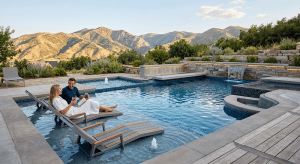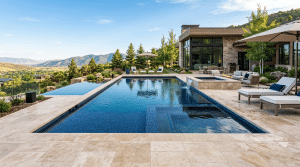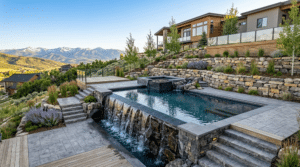

Planning a luxury swimming pool requires a balance of aesthetics, engineering, and local requirements. Custom pool design planning involves evaluating your lifestyle goals, property constraints, municipal zoning rules, structural feasibility, and ongoing maintenance before breaking ground. By addressing these factors early, homeowners ensure a smooth construction process and a stunning outdoor living space that holds its value over time.
Whether you reside in the urban neighborhoods of Salt Lake City or the elevated terrain of Park City, JAL Pools turns your backyard vision into reality. Partnering with experienced custom pool builders allows you to navigate every stage of design and construction with complete confidence.
What You Will Learn
This guide breaks down the essential factors professional pool teams evaluate during the initial design phase:
- How lifestyle preferences, family needs, and budget shape your pool layout
- Property assessments, soil considerations, and local zoning guidelines
- Permitting steps and municipal building codes specific to Utah home sites
- Long-term maintenance planning and structural design feasibility
- The collaborative process between homeowners, designers, and engineers
Evaluating Lifestyle, Usage Goals, and Budget
Every custom pool should match how your household lives and entertains. During initial consultations, designers ask how you intend to use the space daily. A family with young children often prioritizes zero-depth entries and shallow splash zones. Alternatively, homeowners looking for fitness or relaxation might lean toward lap lanes, integrated spas, or soothing water features.
Your overall project budget directly guides material selection, pool size, and custom additions. Features like automatic covers, custom lighting, and high-efficiency heaters add upfront cost but deliver high daily value. Aligning your functional goals with a clear budget early prevents mid-project design changes and keeps construction moving smoothly.
Assessing Property Layout, Soil, and Zoning
Your yard dictates many technical aspects of custom pool design planning. Builders inspect site topography, property lines, utility locations, and ground stability to determine the ideal placement. Slope variations in mountain settings like Park City often require specialized retaining walls or terraced patio layouts.
Zoning regulations govern property line setbacks, lot coverage limits, and mandatory pool enclosures. Builders evaluate these parameters to establish the maximum printable footprint for your water feature.
| Planning Consideration | Key Evaluation Factors | Impact on Design |
| Site Topography | Slopes, elevation shifts, drainage pathways | Dictates retaining walls and deck grading |
| Soil Profile | Rock density, soil stability, water table depth | Determines structural engineering and excavation methods |
| Zoning Restrictions | Property line setbacks, lot coverage limits | Defines maximum allowable pool dimensions and placement |
Navigating Local Building Codes and Permitting
Building a pool requires precise adherence to local safety codes and municipal permitting processes. Requirements vary between municipalities across Utah, covering barrier fence heights, self-closing gate latches, and anti-entrapment drain covers.
In regions with cold winter climates, codes also mandate specific freeze-protection measures for outdoor plumbing lines. Professional builders manage the entire permit submission process, submitting detailed architectural plans to city offices to guarantee full safety compliance before excavation begins.
Prioritizing Design Feasibility and Long-Term Maintenance
A successful design balances visual appeal with structural feasibility and long-term upkeep. Hydraulic systems, filtration units, and pump equipment must be correctly sized to maintain crystal-clear water with minimal chemical usage. Integrating energy-efficient heat pumps or solar systems helps reduce seasonal operating expenses.
Planning for ongoing maintenance during the design phase saves significant effort down the road. Position equipment pads in accessible, sheltered areas for easy servicing. Select durable interior finishes, such as pebble or quartz aggregates, that withstand local weather patterns and standard water treatment routines.
The Collaborative Process: Designer, Engineer, and Homeowner
Creating a seamless outdoor retreat demands continuous teamwork. Homeowners share their visual ideas and functional needs, which designers translate into 3D concepts. Structural engineers then review the plans to verify soil bearing capacities, wall thicknesses, and rebar reinforcement schedules.
This three-way collaboration eliminates guesswork and catches potential site challenges on paper rather than during excavation. Clear communication keeps the project on timeline, within budget, and aligned with your expectations.
Frequently Asked Questions
How long does the custom pool planning process take?
The design and planning phase typically takes four to eight weeks. This timeframe includes initial concept creation, engineering reviews, material selections, and municipal permit approvals.
Why is soil testing important before pool excavation?
Soil testing identifies rock layers, high water tables, or unstable ground conditions. Knowing these details allows engineers to specify the correct reinforcement and foundation design, preventing structural shifts over time.
What features help lower long-term pool maintenance?
Automatic pool covers, salt-chlorine generators, variable-speed pumps, and durable aggregate finishes significantly reduce weekly cleaning tasks and lower overall energy costs.
When you are ready to enhance your home, proper custom pool design planning makes all the difference. From evaluating ground conditions to choosing luxury water features, every detail contributes to a beautiful, long-lasting backyard retreat. JAL Pools brings expert craftsmanship and dedicated service to properties across Salt Lake City and Park City, Utah. Contact JAL Pools today to schedule your initial design consultation and start building your ideal outdoor sanctuary.